SDPPI

SDPPI

DJID Certification for Wireless Conference Systems

Wireless conference systems help people speak and share ideas during meetings. They are common in offices, hotels, schools, and meeting rooms. These systems use radio signals to connect microphones and audio units. However, companies must check Indonesian rules before they import or sell these products. One key rule is DJID Certification, also known as SDPPI or Postel Certification. DJID Certification for Wireless Conference Systems may be needed when a device sends or receives radio signals. Therefore, importers and makers should check each model before selling it in Indonesia. Do Wireless Conference Systems Need DJID Certification? Yes, a wireless conference system may need DJID Certification if it uses radio signals to send audio or data. The main rule is Ministerial Regulation No. 3 of 2024. This rule sets the process for telecom device certification in Indonesia. It covers devices made, built, or imported for sale or use in the country. It also sets rules for product testing and certification. For example, a wireless conference system may use: 2.4 GHz radio signals. 5 GHz Wi-Fi signals. VHF or UHF radio bands. Bluetooth connections. Other wireless audio links. However, each product may follow a different test rule. The right rule depends on its radio band, power, and design. A wired conference system with no radio feature may have different rules. Therefore, companies should check the full product design before they apply. DJID Certification for Wireless Conference Systems: Requirements The DJID Certification for Wireless Conference Systems process starts with a review of the product’s radio features. Companies should check the following details: Product brand and model. Operating frequency. Radio output power. Wireless technology. Antenna type. Product design and technical data. In addition, companies should prepare the required business and product files. These files may include: Company details and Business Identification Number (NIB). Product data sheet. Technical specifications. Product photos with brand and model labels. User manual. Radio test report. Declaration of Conformity. Manufacturer authorization letter, when needed. The exact list may change based on the product and application type. You can also read our guide on documents needed for DJID certification. Make sure all files show the same brand and model. This simple step can help avoid errors during the review. How Do Wireless Conference Systems Work? A wireless conference system uses radio signals to send sound from a microphone to a main unit. Most systems have five main parts: Wireless Microphone: Picks up the speaker’s voice and sends the sound to a receiver. Main Control Unit: Controls the microphones and audio settings. Wireless Receiver: Gets the radio signal and sends sound to the speakers. Antenna: Helps send and receive radio signals. Speakers: Play the sound so everyone can hear it. Some models also use Wi-Fi or Bluetooth. In addition, some systems can connect to a computer or online meeting platform. Each wireless feature may have its own test needs. For this reason, companies should check the full device setup before applying for certification. How to Use a Wireless Conference System A wireless conference system is easy to use when all parts are set up in the right way. Follow these steps: Connect the Main Unit: Link the main unit to the receiver and speakers. Turn On the Microphones: Check the power and battery level of each microphone. Pair the Devices: Link each microphone to the receiver or main unit. Set the Channel: Choose the right radio channel to avoid signal problems. Set the Sound: Adjust the volume and microphone level. Test Each Microphone: Speak into each microphone and check the sound. Start the Meeting: Once the system works well, users can start the meeting. Also, follow the user guide from the maker. Keep the device settings within the allowed radio limits. DJID Certification for Wireless Conference Systems: Testing Standards Product testing checks if a device meets the radio rules in Indonesia. The test may check: Radio frequency. Radio output power. Signal strength and stability. Bandwidth. Unwanted radio signals. EMC, where required. For example, some short-range radio devices may follow Ministerial Decree No. 260 of 2024 on Short Range Devices. However, this rule does not cover every wireless conference system. The right test rule must match the radio band and device design. A system that uses VHF or UHF may need a different review from one that uses Wi-Fi or Bluetooth. Therefore, companies should check the test needs before they send samples to a lab. For more details, read our guide about EMC testing for DJID devices. How to Get DJID Certification for Wireless Conference Systems The DJID certification process has six main steps. Good planning can help make each step easier. Step 1: Check the Product First, check the product brand, model, radio band, and wireless features. This helps you find the right test rules. Step 2: Prepare the Files Next, collect all company and product files. Make sure the data is clear and correct. Step 3: Arrange Product Testing Then, send the product to an accepted test lab. The lab will test the device based on the rules that apply. Step 4: Submit the Application After the test, prepare the test report and other files. Business applicants submit the application through the OSS system, which links to the DJID certification service. Step 5: Complete the Review The authority will check the test report and product files. If some data is missing, the applicant may need to send more details. Step 6: Receive the Certificate Finally, the authority can issue the DJID Certificate once all rules have been met. After that, companies must also follow the product label and other rules. For more help, read our guide to the DJID certification process, time, and cost. Why Choose Cerapproval for DJID Certification? Getting DJID Certification for Wireless Conference Systems can be hard when a product has many radio features. Cerapproval helps makers, importers, and sellers manage the process in Indonesia. Our team can help with: Product and document review. Technical rule checks. Document collection and translation. Test lab coordination. DJID application support. Follow-up […]

SDPPI

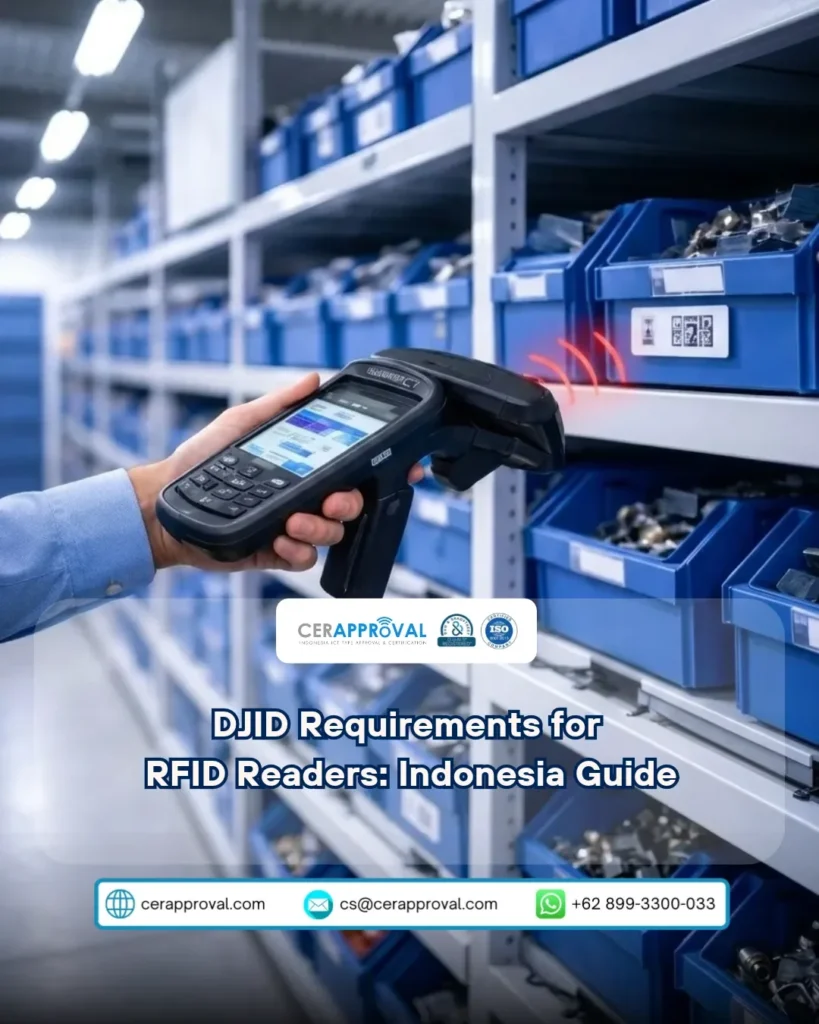
DJID Requirements for RFID Readers: Indonesia Guide

DJID Requirements for RFID Readers are important for companies that import, manufacture, or sell wireless devices in Indonesia. RFID technology uses radio waves to identify products, goods, and other objects. Therefore, businesses must check the local rules before selling these devices. RFID readers are common in many industries. For example, warehouses use them to track stock. Retail stores use them to manage products. In addition, factories use RFID systems to track materials and improve daily work. In Indonesia, RFID is included in the Short Range Devices (SRD) category. The government regulates these devices to control radio use and prevent harmful interference. As a result, businesses must check the technical standards and obtain the required telecommunications certificate before commercial distribution. This guide explains the main technical rules, required documents, and Postel certification steps for RFID readers in Indonesia. What Are RFID Readers and How Do They Work? Radio Frequency Identification (RFID) is a wireless technology that uses radio waves to identify objects. An RFID system usually has three main parts: a reader, a tag, and a data system. First, the reader sends a radio signal to the tag. Next, the tag sends its stored data back to the reader. Then, the reader sends this data to a computer or management system. For example, a warehouse can scan many tagged products without touching each item. This makes stock checks faster and easier. RFID readers use different frequency bands. These include low-frequency, high-frequency, and ultra-high-frequency systems. However, each frequency has its own technical limits in Indonesia. DJID Requirements for RFID Readers in Indonesia The main technical reference is Ministerial Decree No. 260 of 2024 concerning Short Range Devices. This regulation includes RFID as a specific device category. It sets rules for frequency, transmit power, and unwanted radio emissions. These rules help devices work safely and avoid interference with other equipment. The main RFID frequency bands and limits include: RFID Frequency Band Maximum Power or Field Strength 16–150 kHz 66 dBµA/m at 10 meters 6,765–6,795 kHz 42 dBµA/m at 10 meters 7,400–8,800 kHz 9 dBµA/m at 10 meters 13.553–13.567 MHz 20 dBm ERP or 94 dBµV/m at 10 meters 433–434.79 MHz 20 dBm ERP 920–923 MHz 26.02 dBm EIRP 2,400–2,483.5 MHz 20 dBm EIRP Therefore, companies must check the exact operating frequency and output power of each RFID model. A product designed for another country may not meet Indonesian requirements. In addition, the technical standard covers other important areas: 1. Radio Frequency Performance The device must meet the permitted frequency and power limits. Testing also checks unwanted radio emissions. 2. Antenna Requirements The antenna must follow the applicable technical limits. Moreover, devices with a dedicated antenna must include a signed statement confirming antenna compliance. 3. Electrical Safety The device must meet the applicable electrical safety standard. This helps reduce the risk of electric shock and other electrical problems. 4. Electromagnetic Compatibility The device must meet the required emission limits. This helps prevent unwanted interference with nearby electronic equipment. 5. Power Supply The device must meet the applicable power supply conditions. For AC-powered SRD equipment, the standard refers to 220 V ±10% and 50 Hz ±2%. What Documents Are Required for DJID Certification? Preparing the documents early can make the application process easier. It also helps reduce errors during document review. Under Ministerial Regulation No. 3 of 2024, applicants must prepare several key documents: Test report from an accepted testing laboratory. Technical specifications of the device. Declaration of Conformity signed by the applicant. Color product photos showing the brand and model. Brand appointment or distributor letter, when required. Brand ownership documents, when required. Additional documents for products subject to other specific rules. The required documents depend on the applicant’s role and the type of device. Therefore, businesses should review their documents before submitting an application. How to Apply for Postel Certification for RFID Readers The Postel certification process has several main steps. Each step helps confirm that the product meets Indonesian technical rules. Step 1: Product Assessment First, identify the product brand, model, frequency, output power, and antenna type. Also, check whether the device has Wi-Fi, Bluetooth, or other wireless features. Step 2: Technical Review and Testing Next, review the product specifications against the applicable Indonesian standard. Then, arrange testing through an accepted laboratory. The test checks the required radio frequency and technical parameters. Step 3: Document Preparation After testing, collect the test report and other required documents. Make sure the brand, model, and product details match across all files. Step 4: Certification Application Then, submit the application through the OSS system integrated with the Directorate General’s certification service. The applicant must provide the required documents for review. Step 5: Verification and Payment The authority reviews the application. If the documents meet the requirements, the applicant receives a payment notice for the certification fee. After that, the applicant must complete payment within the stated period. Step 6: Certificate Issuance Finally, the authority issues the electronic telecommunications certificate after payment is complete. The business can then proceed with the applicable import and distribution activities. Do RFID Readers with Wi-Fi or Bluetooth Need Additional Certification? Some RFID readers also have Wi-Fi, Bluetooth, NFC, or cellular features. These functions may use different radio frequency bands. Therefore, businesses must review every wireless feature in the product. For example, an RFID reader with Bluetooth may need to meet both the RFID and Bluetooth technical standards. However, the exact certification scope depends on the product design and applicable rules. One assessment should not be assumed to cover every wireless function. Get Help with DJID Requirements for RFID Readers Understanding DJID Requirements for RFID Readers is an important step before importing or selling these products in Indonesia. Businesses must check the frequency rules, technical standards, laboratory tests, and certification documents. Cerapproval helps businesses manage Postel and DJID certification in Indonesia. Our team can review technical documents, coordinate laboratory testing, prepare applications, and monitor the certification process. Need help with your RFID product certification? Contact Cerapproval today for a free consultation! Website: […]

SDPPI

Do Wireless Sensors Used in Factories Need DJID Certification?

Many factories use wireless sensors to check their machines. These devices check heat, pressure, moisture, and vibration. They also send data by radio. But companies must check Indonesian rules before they import or sell these products. Some wireless sensors need approval from DJID, once called SDPPI. DJID Certification for Wireless Sensors depends on the device’s radio features and related rules. So, companies should check each model before import. For professional assistance, visit our DJID Certification Services page. What Is DJID Certification for Wireless Sensors? DJID certification shows that a device follows Indonesian tech rules. It checks the device’s radio features. It also helps prevent radio signal problems. Wireless sensors may use: Wi-Fi Bluetooth Zigbee LoRa and LPWAN 4G and 5G networks These tools let sensors send data to machines and control systems. But not all factory sensors need this certificate. Wired sensors without radio features may follow different rules. So, companies must check each product before they apply. Learn more about our DJID Certification Services. Which Wireless Sensors May Need DJID Certification? Factories use many kinds of wireless sensors. Each type has its own job. 1. Temperature Sensors These devices measure heat in machines and storage areas. Wireless models send data to a system that tracks heat. 2. Pressure Sensors These sensors measure gas or liquid pressure. Some models send d ata to control systems by radio. 3. Vibration Sensors These devices check machine movement. They help workers spot unusual movement and find machine problems early. 4. Humidity Sensors These sensors measure moisture in factories and warehouses. Wireless models send readings to connected systems. 5. Industrial IoT Sensors Industrial Internet of Things (IoT) sensors connect machines to digital systems. They may use Wi-Fi, Bluetooth, Zigbee, or LoRa. DJID Certification for Wireless Sensors depends on the device’s radio features and design. So, companies must check each device, not just its name. Documents Required for DJID Certification Companies should prepare all needed files before they apply. Under Ministerial Regulation No. 3 of 2024, companies may need: Product test report Technical specifications Declaration of Conformity Color photos showing the brand and model TKDN documents, if applicable Personal use statement, when required DJID may also ask for more files. Also, all files must show the right brand and model. The brand and model must match the product label and test report. Good file checks can help prevent delays. For more information, visit the Cerapproval FAQ page. Technical Requirements for Wireless Sensors Before applying for DJID Certification for Wireless Sensors, check its radio features. First, find out which wireless technology the device uses. Wi-Fi, Bluetooth, Zigbee, and LoRa can use different radio bands. Next, check the operating frequency and transmitter power. Also, check the antenna and radio module. Some sensors have a radio module inside. Others use a separate wireless part. Therefore, each design may need a different review. Finally, check that product details match the files. This helps prevent errors during the review. How to Apply for DJID Certification in Indonesia There are five main steps to apply. 1. Product Review First, check the sensor model and radio features. This helps find the right tech rules. 2. Document Preparation Next, get the product and business files ready. Make sure all details are correct. 3. Product Testing Then, arrange tests at an approved lab. The test checks if the device meets the rules. 4. Application Submission After the test, get the test report and other files ready. Businesses submit applications through OSS, which links to the DJID service. 5. Review and Certificate Issuance Finally, DJID reviews the application. If the product follows the rules, DJID can issue a certificate. For more details, see Ministerial Regulation No. 3 of 2024. You can also visit the official DJID certification portal. Why Is Early Certification Preparation Important? Early planning helps companies avoid import and sales problems. First, companies can check the rules before they ship their products. This helps them plan what to do. Next, they can prepare samples and files early. As a result, they can avoid delays caused by missing documents. Also, early planning helps companies manage costs and time. It also gives them more time to fix product issues. Most of all, companies should check each product’s radio features. Different wireless sensors may have different rules. Why Choose Cerapproval? DJID certification needs product checks, tests, and official steps. Cerapproval helps businesses handle these steps. We offer: Product and rule checks Technical document reviews Lab test coordination Certification application support Application tracking and follow-up Our team also helps you understand the rules before you apply. We also guide you through each step. Visit Cerapproval Services to learn more about our support. Conclusion Wireless sensors help factories check machines and improve daily work. However, companies must follow Indonesian rules before importing or selling these devices. DJID Certification for Wireless Sensors may be needed for regulated wireless devices. The rules depend on its radio features and related standards. Therefore, check each product before import. Good planning can reduce delays and make the process easier. Need Help with DJID Certification? Do you plan to sell or import wireless sensors in Indonesia? Contact Cerapproval for free advice. Our team can check your product and files, then guide you through certification. Contact Us Today: Website: Cerapproval Email: gma@cerapproval.com WhatsApp: +62 899-3300-033 You can also Contact Cerapproval to talk about your product. Start your certification with Cerapproval.

SDPPI

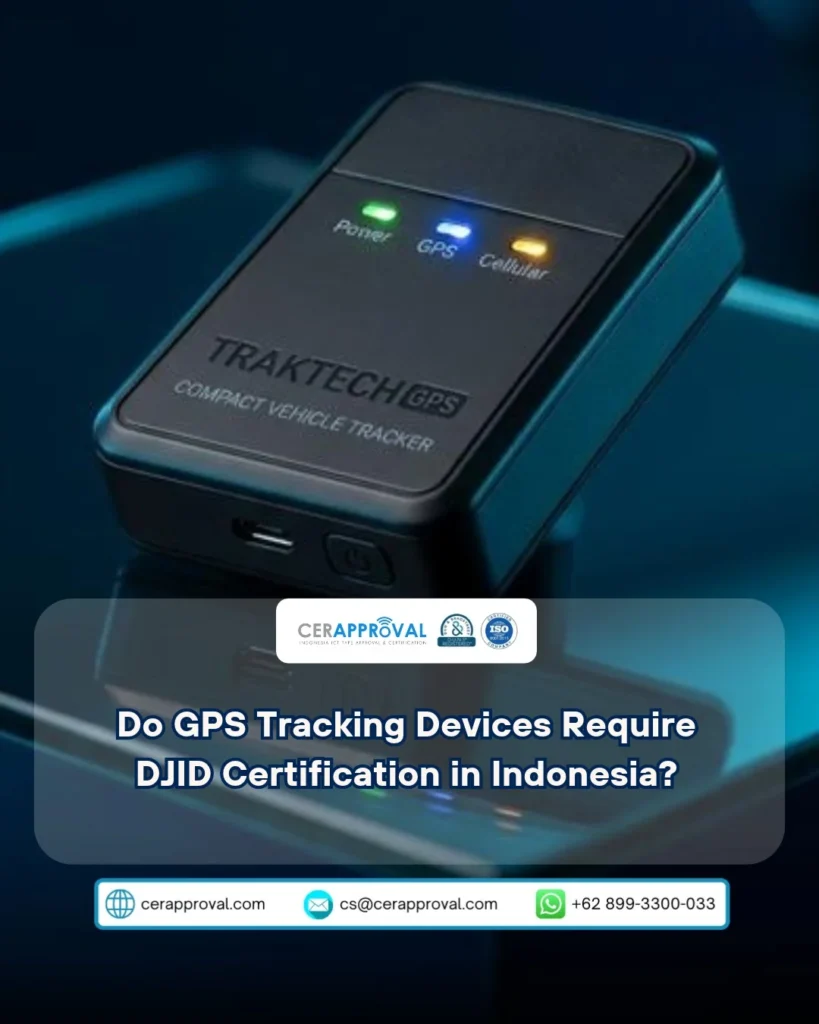
Do GPS Tracking Devices Require DJID Certification in Indonesia?

DJID Certification for GPS Tracking Devices is an important requirement to check before importing or selling GPS trackers in Indonesia. These devices help users track vehicles, goods, people, and other assets. However, not all GPS tracking devices use the same technology. Some devices only receive signals from satellites. Others also send data through cellular networks, Wi-Fi, or Bluetooth. These extra features can affect the certification requirements. This guide explains how GPS trackers work, when they may need DJID certification, and how to apply for certification in Indonesia. DJID Certification for GPS Tracking Devices: Is It Required? The need for DJID certification depends on the device’s communication features. A basic GPS receiver only receives signals from navigation satellites. It does not send radio signals to other devices. Therefore, GPS reception alone does not automatically mean that the product needs DJID certification. However, many GPS trackers can also send location data to a server or mobile application. They may use cellular networks, Wi-Fi, or Bluetooth to share this data. These wireless features may fall under Indonesia’s telecommunications equipment certification rules. Importers and brand owners should check the product’s technical details before they bring it into Indonesia. In short, DJID Certification for GPS Tracking Devices depends on the product’s radio functions, supported bands, and applicable technical standards. What Is a GPS Tracking Device and How Does It Work? A GPS tracking device uses signals from satellites to find its location. It then processes the signals and calculates its position. Many trackers also have a communication module. This module sends location data to a server or mobile application. For example, a vehicle tracker can help a company monitor its fleet. A logistics company can use a tracker to check the location of goods during delivery. In addition, users can view location updates through a mobile application. A typical GPS tracking device may include: A GPS or GNSS receiver. A cellular, Wi-Fi, or Bluetooth module. An antenna. A processor and memory. A power source or battery. Software for location tracking. Each wireless feature may have different technical requirements. Therefore, the applicant should review the full product specifications. Documents Required for DJID Certification Applicants should prepare the technical and administrative documents before starting the process. The exact list may depend on the product type and certification requirements. Common documents include: Product specifications and technical data sheet. User manual in English or Indonesian, as required. Product photos showing the device and its labels. Brand and model information. Radio frequency and communication details. Test reports from an accepted laboratory, where applicable. Company and importer documents. Authorization letter from the manufacturer or brand owner, if required. Complete documents can help reduce delays during the review stage. How to Apply for DJID Certification in Indonesia The applicant can follow these general steps: Check the product features. Identify all wireless functions, frequency bands, and communication modules. Prepare the documents. Collect the technical and company documents. Review the requirements. Check the applicable DJID rules and technical standards. Arrange product testing. Complete the required tests at an accepted laboratory. Submit the application. Upload the required information and documents through the applicable certification system. Follow the evaluation. Respond to any questions or requests for additional documents. Receive the certificate. The authority issues the certificate after the product meets the applicable requirements. The actual process may vary based on the product’s technology and the rules that apply. Why Is DJID Certification Important? DJID certification helps confirm that telecommunications equipment meets the applicable technical requirements in Indonesia. It also helps businesses prepare their products for import and sale. More importantly, an early review can help importers avoid delays caused by missing documents or unsuitable test reports. Therefore, businesses should check DJID Certification for GPS Tracking Devices before they plan product shipments or market launches. Get Assistance from Cerapproval Checking certification requirements can be difficult, especially when a GPS tracker has several wireless functions. Cerapproval can help businesses review product documents, identify the applicable requirements, coordinate testing, and manage the certification process. Contact Cerapproval for support with your product certification needs. Contact Us Today: Website: https://www.cerapproval.com/ Email: gma@cerapproval.com WhatsApp: +62 899-3300-033 Conclusion GPS tracking devices do not all have the same certification requirements. A basic GPS receiver only receives satellite signals. However, a tracker with cellular, Wi-Fi, or Bluetooth features may need DJID certification. For this reason, businesses should review the product’s technical features before importing or selling it in Indonesia. Proper preparation can make the certification process clearer and help prevent delays.

SDPPI

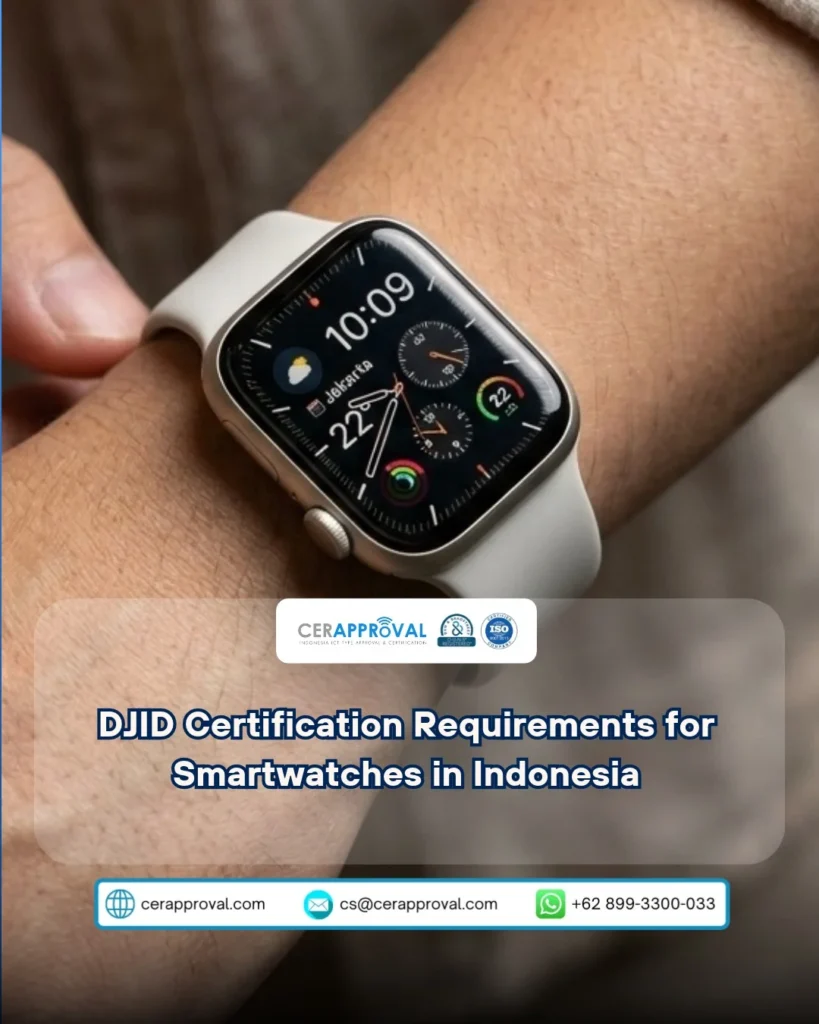
DJID Certification Requirements for Smartwatches in Indonesia

Smartwatches are now popular in Indonesia. People use them to track exercise, check health data, read messages, and make calls. However, some models use wireless features that may require official approval before they can be sold in Indonesia. DJID Certification Requirements for Smartwatches are important for importers, manufacturers, and technology brands. DJID is the Directorate General of Digital Infrastructure under Indonesia’s Ministry of Communication and Digital Affairs. It checks whether covered communication devices meet the required technical standards. Therefore, businesses should review these requirements before importing or selling smartwatches. This article explains how smartwatches work, which features may require certification, and how to apply for Postel certification in Indonesia. What Is DJID Certification for Smartwatches? DJID certification is an approval process for communication devices covered by Indonesian regulations. It helps ensure that these products meet the required technical standards. Many smartwatches use Bluetooth, Wi-Fi, or cellular networks. These features allow users to connect their watches to phones, access online services, and make calls. As a result, some smartwatch models may need DJID certification. However, requirements can differ between models. For example, a basic smartwatch may have different requirements from a model with cellular service. For this reason, businesses should check each product’s technical details before applying. For official information, visit the DJID certification portal. How Do You Use a Smartwatch? A smartwatch is a wearable device that offers useful features for daily activities. Most models connect to a smartphone. Some can also access the internet directly. Common smartwatch functions include: Track daily activity: Count steps and record exercise. Check messages: Read alerts from phones and apps. Connect to a phone: Pair devices through Bluetooth. Check health data: View heart rate and sleep records, if available. Make calls: Use calling features on supported models. Use navigation: Check locations through GPS, if available. First, charge the smartwatch and turn it on. Next, install the required phone app. Then, follow the instructions to connect both devices. After pairing, you can set the watch face, manage alerts, and review activity records. Always follow the user manual. Also, remember that smartwatch health features do not replace advice from a health professional. DJID Certification Requirements for Smartwatches in Indonesia The certification requirements depend on the product’s features and the regulations that apply. For example, Bluetooth, Wi-Fi, and cellular functions use radio signals to send and receive data. Therefore, these features may require a technical review under Indonesian regulations. However, having a wireless feature does not automatically confirm the final certification requirement. The product type and technical specifications must also be reviewed. Before importing a smartwatch, check: Brand and model. Wireless communication features. Radio frequency specifications. Technical test reports. Applicable Indonesian standards. This review helps businesses identify the correct approval process. It can also reduce delays during import and distribution. What Documents Are Needed for Postel Certification? Good preparation makes the certification process easier. First, collect the product information from the manufacturer. Next, check that every document shows the correct brand and model. Depending on the application, required documents may include: Business Identification Number (NIB). Access to the OSS system. Test report from an accepted laboratory. Smartwatch technical specifications. Declaration of Conformity, where required. Product photos showing the brand and model. Other supporting company or product documents. Some models may need additional technical documents. Therefore, check the latest requirements before applying. Read the official DJID certification requirements for further details. How to Apply for DJID Certification in Indonesia The Postel certification process involves several steps: Check the smartwatch: Confirm the brand, model, manufacturer, and wireless features. Review the regulations: Identify the technical standards and approval rules that apply. Prepare the documents: Collect product details, photos, test reports, and company documents. Arrange product testing: If required, use an accepted testing laboratory. Submit the application: Follow the official process through the relevant OSS and DJID systems. Follow up: Monitor the application status and provide additional documents if requested. Proper preparation can help make each step easier to manage. For more details, visit the official DJID certification procedure. Why Choose Cerapproval for Smartwatch Certification? Indonesian product regulations can be challenging, especially for overseas manufacturers and local importers. In addition, different smartwatch models may have different technical requirements. Cerapproval helps businesses understand product certification requirements in Indonesia. Our services include: Product regulation review. Document checking and preparation. Product testing coordination. Certification process assistance. Application monitoring and follow-up. With the right support, businesses can plan the certification process more clearly. Learn more about Cerapproval certification services. Conclusion DJID certification requirements for smartwatches depend on the product’s features and applicable regulations. Some models use wireless functions that may require Postel certification. Therefore, businesses should review product specifications before importing or selling smartwatches in Indonesia. Early document preparation can also help reduce delays and make the approval process easier. Call to Action Planning to Import or Sell Smartwatches in Indonesia? Contact Cerapproval for assistance with DJID certification requirements. Our team can review your product, check the required documents, and guide you through the certification process. Contact Cerapproval Today Website: https://cerapproval.com/ Email: gma@cerapproval.com WhatsApp: +62 899-3300-033

Flag Counter
Scroll to Top