
GPSTracker

SDPPI

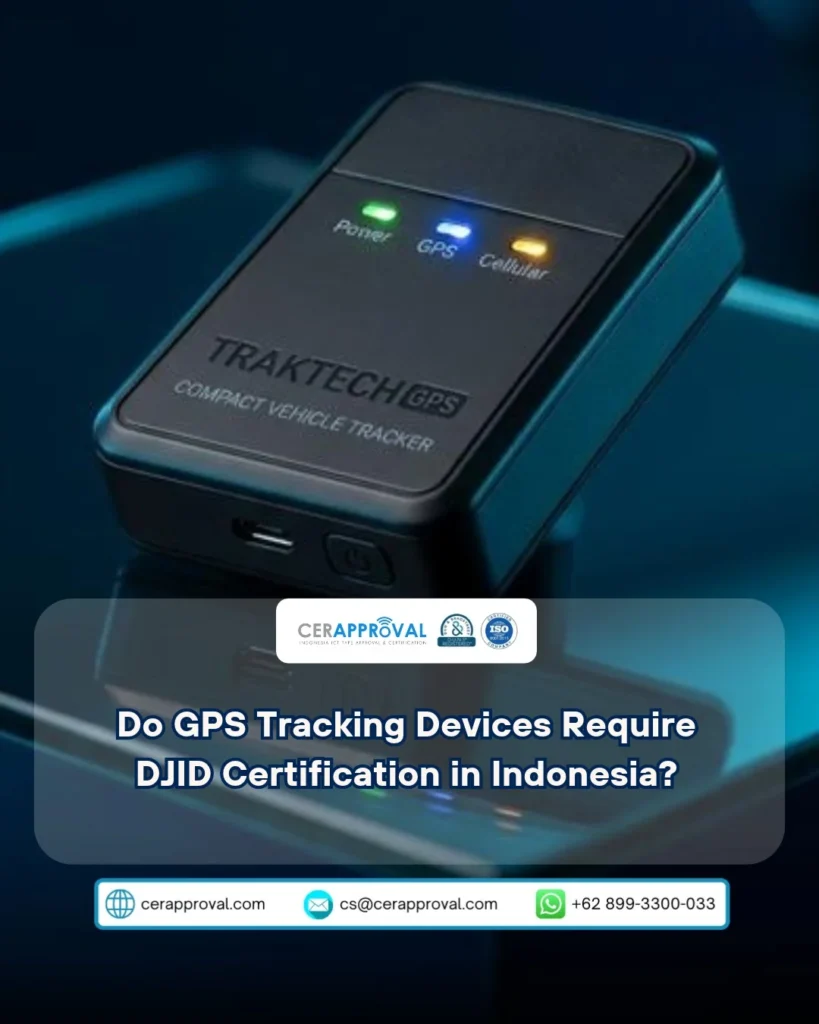
Do GPS Tracking Devices Require DJID Certification in Indonesia?

DJID Certification for GPS Tracking Devices is an important requirement to check before importing or selling GPS trackers in Indonesia. These devices help users track vehicles, goods, people, and other assets. However, not all GPS tracking devices use the same technology. Some devices only receive signals from satellites. Others also send data through cellular networks, Wi-Fi, or Bluetooth. These extra features can affect the certification requirements. This guide explains how GPS trackers work, when they may need DJID certification, and how to apply for certification in Indonesia. DJID Certification for GPS Tracking Devices: Is It Required? The need for DJID certification depends on the device’s communication features. A basic GPS receiver only receives signals from navigation satellites. It does not send radio signals to other devices. Therefore, GPS reception alone does not automatically mean that the product needs DJID certification. However, many GPS trackers can also send location data to a server or mobile application. They may use cellular networks, Wi-Fi, or Bluetooth to share this data. These wireless features may fall under Indonesia’s telecommunications equipment certification rules. Importers and brand owners should check the product’s technical details before they bring it into Indonesia. In short, DJID Certification for GPS Tracking Devices depends on the product’s radio functions, supported bands, and applicable technical standards. What Is a GPS Tracking Device and How Does It Work? A GPS tracking device uses signals from satellites to find its location. It then processes the signals and calculates its position. Many trackers also have a communication module. This module sends location data to a server or mobile application. For example, a vehicle tracker can help a company monitor its fleet. A logistics company can use a tracker to check the location of goods during delivery. In addition, users can view location updates through a mobile application. A typical GPS tracking device may include: A GPS or GNSS receiver. A cellular, Wi-Fi, or Bluetooth module. An antenna. A processor and memory. A power source or battery. Software for location tracking. Each wireless feature may have different technical requirements. Therefore, the applicant should review the full product specifications. Documents Required for DJID Certification Applicants should prepare the technical and administrative documents before starting the process. The exact list may depend on the product type and certification requirements. Common documents include: Product specifications and technical data sheet. User manual in English or Indonesian, as required. Product photos showing the device and its labels. Brand and model information. Radio frequency and communication details. Test reports from an accepted laboratory, where applicable. Company and importer documents. Authorization letter from the manufacturer or brand owner, if required. Complete documents can help reduce delays during the review stage. How to Apply for DJID Certification in Indonesia The applicant can follow these general steps: Check the product features. Identify all wireless functions, frequency bands, and communication modules. Prepare the documents. Collect the technical and company documents. Review the requirements. Check the applicable DJID rules and technical standards. Arrange product testing. Complete the required tests at an accepted laboratory. Submit the application. Upload the required information and documents through the applicable certification system. Follow the evaluation. Respond to any questions or requests for additional documents. Receive the certificate. The authority issues the certificate after the product meets the applicable requirements. The actual process may vary based on the product’s technology and the rules that apply. Why Is DJID Certification Important? DJID certification helps confirm that telecommunications equipment meets the applicable technical requirements in Indonesia. It also helps businesses prepare their products for import and sale. More importantly, an early review can help importers avoid delays caused by missing documents or unsuitable test reports. Therefore, businesses should check DJID Certification for GPS Tracking Devices before they plan product shipments or market launches. Get Assistance from Cerapproval Checking certification requirements can be difficult, especially when a GPS tracker has several wireless functions. Cerapproval can help businesses review product documents, identify the applicable requirements, coordinate testing, and manage the certification process. Contact Cerapproval for support with your product certification needs. Contact Us Today: Website: https://www.cerapproval.com/ Email: gma@cerapproval.com WhatsApp: +62 899-3300-033 Conclusion GPS tracking devices do not all have the same certification requirements. A basic GPS receiver only receives satellite signals. However, a tracker with cellular, Wi-Fi, or Bluetooth features may need DJID certification. For this reason, businesses should review the product’s technical features before importing or selling it in Indonesia. Proper preparation can make the certification process clearer and help prevent delays.

SDPPI / DJID

SDPPI Certification for Smart Dashcams and GPS Trackers

Smart dashcams and vehicle GPS trackers help businesses improve road safety, monitor vehicles, and manage fleets. However, companies that import these devices into Indonesia must check the applicable telecommunications regulations before bringing them to market. SDPPI Certification for Smart Dashcams and GPS Trackers helps businesses understand the compliance steps they may need to take. The exact requirements depend on the device’s wireless functions, technical specifications, and applicable regulations. This guide explains the main considerations, documents, and steps to review before importing or selling these products in Indonesia. When Is SDPPI Certification Required? Indonesia regulates telecommunications equipment through Minister of Communication and Informatics Regulation No. 3 of 2024. The regulation sets requirements for covered equipment manufactured, assembled, or imported for trade or use in Indonesia. Therefore, businesses should confirm whether their products fall within the applicable certification requirements before import or distribution. Not every device follows the same process. Its radio technology, operating frequency, hardware configuration, and technical standards can affect the assessment. Check the exact product specifications before deciding which certification route applies. SDPPI Certification for Smart Dashcams and GPS Trackers Smart dashcams can record driving activity and provide additional features, such as wireless connectivity and remote access. These features may affect the device’s regulatory requirements. For example, some models include Wi-Fi or Bluetooth. These functions allow users to connect the dashcam to a smartphone, transfer video files, or configure device settings. 1. Check the Wireless Features First, identify every wireless function built into the dashcam. Review the operating frequencies, supported technologies, and relevant hardware modules. Next, collect the manufacturer’s technical documents. These documents help determine which technical standards and certification requirements may apply. Do not assume that two dashcams need the same approval simply because both record video. Their wireless functions and hardware configurations may differ. 2. Review the Complete Device Configuration Some dashcams use wireless modules supplied by third-party manufacturers. However, the presence of an already-certified module does not automatically establish that the complete finished product meets every applicable requirement. For this reason, review the complete device configuration. Confirm the relevant brand, model, radio functions, and supporting documents before starting the application process. SDPPI Certification for GPS Trackers Vehicle GPS trackers help businesses monitor vehicle locations and support fleet management. However, a tracker can use several technologies, and each function serves a different purpose. 1. Understand Positioning and Data Transmission Satellite positioning allows a tracker to determine its location. By itself, this function does not explain how the device sends that information to another system. Many trackers also use cellular connectivity, such as GSM or LTE, to transmit location data to a monitoring platform. Other models may include Bluetooth, Wi-Fi, or additional radio functions. As a result, businesses should review both the positioning technology and the communication functions. This distinction helps identify the technical information needed for a regulatory assessment. 2. Confirm the Requirements for the Exact Model Before importing a GPS tracker, collect its technical specifications and identify all supported radio technologies. Then confirm which certification requirements apply to the complete product. Do not rely only on a product description or a list of supported networks. The actual hardware configuration and applicable technical standards also matter. What About Non-Wireless Dashcams and GPS Receivers? A device without Wi-Fi, Bluetooth, or cellular connectivity may have a different regulatory profile from a wireless model. However, the absence of these features does not automatically establish an exemption from every applicable requirement. Businesses should review the product’s complete functions and intended use before making a compliance decision. The safest approach is to assess each model individually. This helps importers avoid unsupported assumptions about whether certification is required. Why Telecommunications Compliance Matters A clear compliance plan helps businesses prepare for import and market entry. It also helps teams identify missing documents before they submit an application. Here are several practical benefits. Reduce Radio Interference Risks Wireless devices must meet the technical requirements that apply to their radio functions. These requirements help manage radio use and reduce the risk of harmful interference. Prepare Import Documents Earlier A review before shipment gives importers time to check product specifications, company documents, and certification requirements. Consequently, they can address missing information before it delays their plans. Avoid Unsupported Compliance Assumptions A supplier’s statement that a product is approved in another country does not, by itself, confirm compliance with Indonesian requirements. Likewise, a test report or module certificate may not cover every requirement for the finished product. Importers should verify the documents and approval route that apply to their exact model. Plan Market Entry More Clearly A defined compliance process helps teams estimate the work involved in bringing a product to market. However, certification does not guarantee that customs will release every shipment without further checks. Importers must still meet other applicable import and trade requirements. Documents to Prepare for SDPPI Certification The required documents depend on the product and its certification route. Nevertheless, businesses can start by collecting the following information. Product information: brand, model, product description, and intended use. Technical specifications: operating frequencies, wireless technologies, and relevant radio parameters. Hardware documentation: radio module details, technical diagrams, and other supporting documents available from the manufacturer. Test documentation: existing test reports and relevant technical evidence, where applicable. Company and application documents: business details and supporting records required for the applicable application process. Product labels and manuals: current product markings, user instructions, and other materials requested during the assessment. This list is a preparation guide, not a universal list of mandatory documents. Confirm the exact requirements before submitting an application. How Does the SDPPI Certification Process Work? The process depends on the product classification and applicable technical standards. In general, businesses can use the following steps to prepare. Step 1: Review the Product Start by identifying the brand, model, wireless functions, operating frequencies, and hardware configuration. This review helps establish the technical information needed for the next stage. Step 2: Confirm the Applicable Requirements Next, determine which technical standards and certification route apply to the product. If the […]

Flag Counter
Scroll to Top